Services
One chain.
End to end.
We take on the stages between the working face and the water, and we prefer to take on more than one of them, because that is where the time is saved.
Coal crushing plant · Trucking management system · Port services · Barge loading conveyor · Construction support
Why one contractor
The handover
is the problem.
Most delays on a coal project do not happen inside a stage. They happen at the seam between two of them.
The crusher runs ahead of the trucks. The trucks arrive faster than the port can take them. The barge is on the water while the stockpile is still being trimmed. Each contractor is meeting their own target and the project is still late.
When one operator holds several links, those seams become internal: a scheduling question rather than a contractual one. That is the argument for OFN, and it is the reason we describe our work as a chain rather than a catalogue.
ST / 01 · Coal Crushing Plant
Size it
once,
size it right.
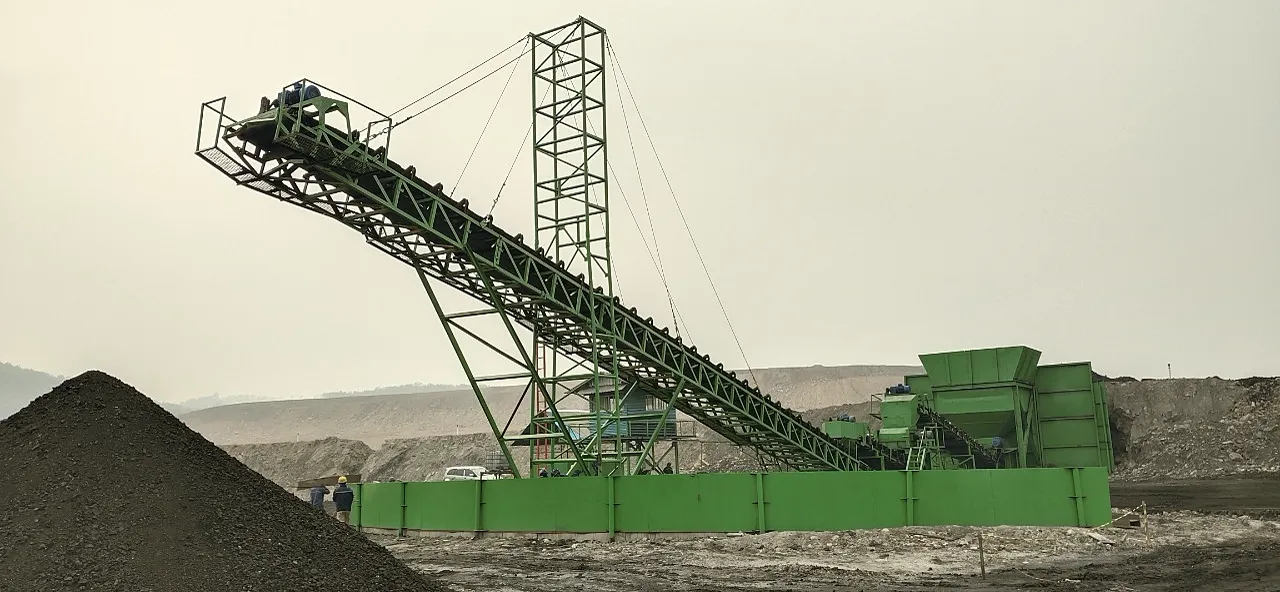
Run-of-mine coal is oversized and inconsistent. Everything downstream (conveyors, truck loading, barge trimming, and ultimately the buyer's specification) depends on it being reduced to a uniform product size first.
OFN builds, operates and maintains crushing plants at the mine, feeding sized product to stockpile ready for haulage. Because our own crews run the plant, availability and throughput are not a report we receive from someone else; they are ours to answer for.
- Scope
- Plant operation and maintenance
- Output
- Sized product coal to stockpile
- Accountability
- Availability and throughput held by OFN
ST / 02 · Trucking Management System
A fleet is
a system,
not a queue.
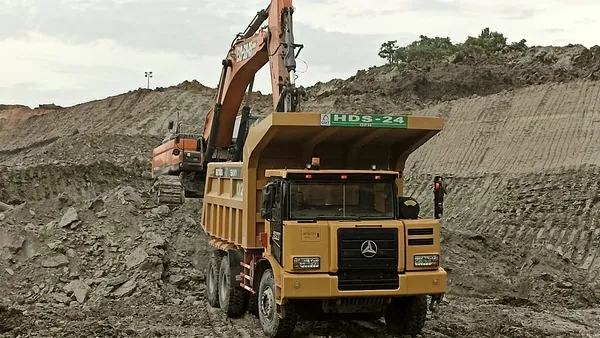
Haulage is where a coal project's cost is won or lost. Adding trucks is the expensive answer; managing the ones you have is the good one.
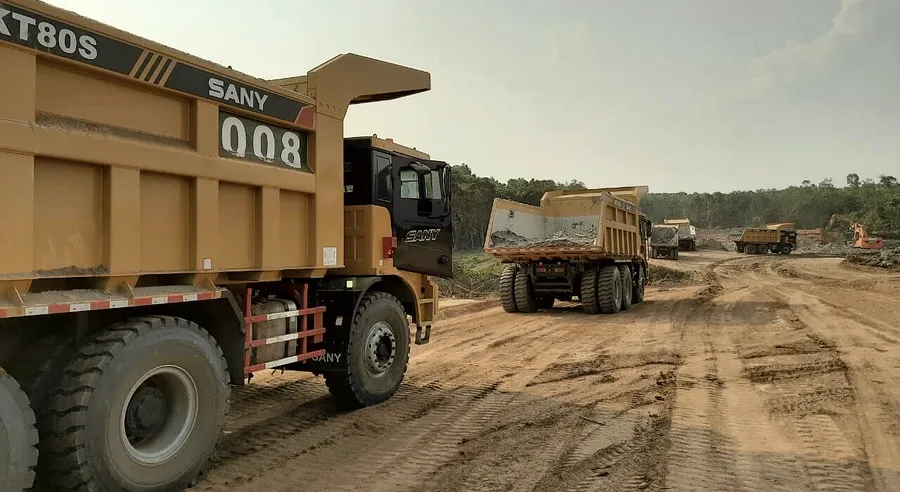
We run haulage as a managed system. Dispatch, cycle time, haul road condition and unit availability are tracked against each other rather than in isolation, so a slow cycle is traced to its cause: a rutted section, a loading delay, a unit due for service. It is not absorbed as normal.
Every unit passes a daily pre-operation inspection (P2H) before it is worked,.
- Scope
- Fleet dispatch and haul road management
- Control
- Cycle time, availability, road condition
- Discipline
- Daily P2H before any unit is worked
ST / 03 · Port Services
Received,
stockpiled,
sequenced.
A port is a bottleneck by design: a wide inbound flow of trucks meeting a narrow outbound window on the water.
OFN operates that ground. Material is received and stockpiled, and truck arrivals are sequenced against barge availability so neither side stands waiting on the other.
- Scope
- Yard and stockpile management
- Interface
- Truck and barge sequencing
ST / 04 · Barge Loading Conveyor
The last
hundred
metres.
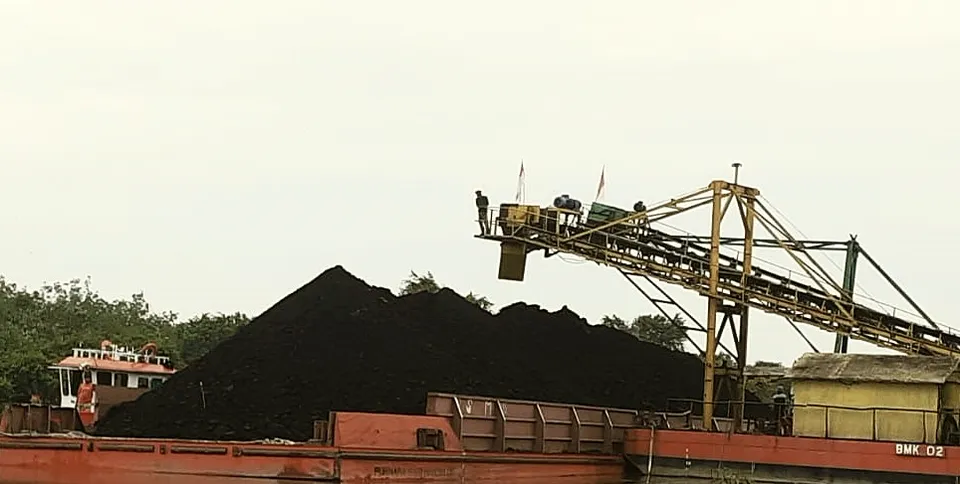
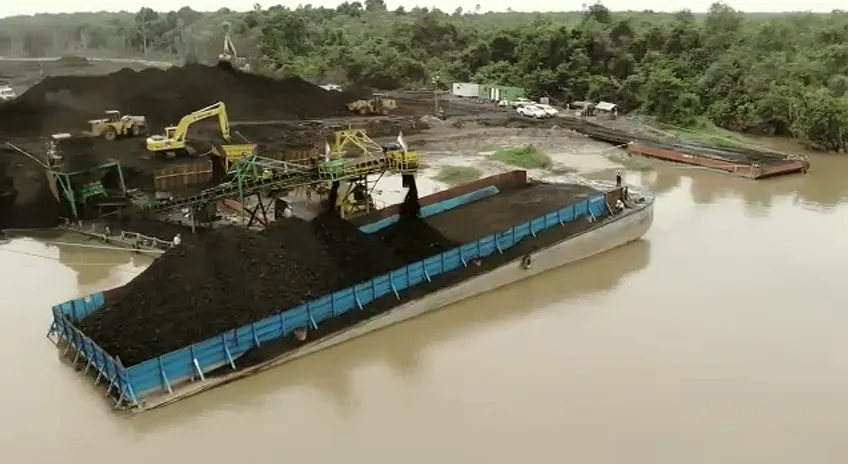
Coal is drawn from the port stockpile onto the conveyor and placed into the barge at a controlled rate, trimmed across the hold.
It is a short distance and it decides the whole schedule. Every upstream decision (how the coal was sized, how haulage was paced, how disciplined the stockpile was kept) either pays off here in a clean loading window, or does not. We build and operate the conveyor so that the last link is not the one that fails.
- Scope
- Conveyor operation
- Control
- Loading rate and hold trim
- Result
- Barge away inside its window
Also · Construction support
The same
plant, a
different job.
Crushing and heavy transport are not exclusive to coal. Indonesia's infrastructure programme needs the same two capabilities, pointed at stone instead.
Supporting construction was part of the reasoning behind founding OFN, and it remains part of what we do: stone crushing and material transportation for projects that need volume moved and sized reliably.
Next
Which parts
do you need?
Send us the tonnage, the haul distance, the port and the timeline. We will tell you which parts we should be running for you, and which you are better off keeping in house.